EntertainmentNews
Exit of a Legend: Jimmy Cliff
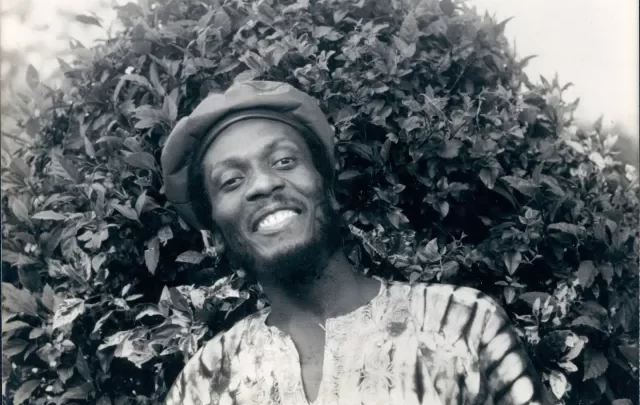
Jimmy Cliff — a towering force in reggae and one of its most adored voices — has passed away at 81, leaving a silence that feels almost unbearable.
From the 1960s onward, he didn’t just make music; he carried the very heartbeat of Jamaica to the world. Songs like Wonderful World, Beautiful People and You Can Get It If You Really Want weren’t just hits — they were anthems of hope, pride, and unshakable spirit, sung by a man whose voice could lift souls.
His unforgettable performance as the defiant, gun-wielding outlaw in The Harder They Come became a defining moment in Jamaican film history — a role so raw and electric that it helped ignite America’s love for reggae itself.
The heartbreaking news of his passing was shared by his wife, Latifa Chambers, in a solemn statement on Instagram. The world mourns a legend whose light will never dim.
“It’s with profound sadness that I share that my husband, Jimmy Cliff, has crossed over due to a seizure followed by pneumonia,” she wrote.
“I am thankful for his family, friends, fellow artists and coworkers who have shared his journey with him.
“To all his fans around the world, please know that your support was his strength throughout his whole career.
“Jimmy, my darling, may you rest in peace. I will follow your wishes.”
Her message was also signed by their children, Lilty and Aken.
Born James Chambers in 1944, Cliff grew up as the eighth of nine children in abject poverty in the parish of St. James, Jamaica.
Blessed with a sweet, mellifluous voice, he began singing at his local church at the age of six.
By the time he was 14, he’d moved to Kingston and adopted the surname Cliff to express the heights he intended on reaching.
He recorded a handful of singles before topping the Jamaican charts with his own composition, Hurricane Hattie.
In 1965, he relocated to London to work with Island Records – later the home of Bob Marley – but the label’s attempts to make his sound palatable to rock audiences weren’t entirely successful at first.
He eventually struck gold with the 1969 single Wonderful World, Beautiful People – an upbeat, feelgood anthem; and the more politically-charged Vietnam, which Bob Dylan called “the best protest song ever written”.
Its lyric tells the story of a young soldier who writes from the war, promising his mother he’ll be home soon; only for her to receive a telegram the next day, informing her of his death.
Cliff reflected on the song in 1986, telling reggae archivist Roger Steffens: “The essence of my music is struggle. What gives it the icing is the hope of love.”